How Long Can a Solar-Powered Home Generator Run?
February 11, 2026
When considering a solar-powered home generator, one of the most common and important questions homeowners ask is how long it can actually run. Unlike fuel-based generators with fixed runtimes tied to gas or propane supply, solar generators operate differently. Their runtime depends on battery capacity, energy usage, and the ability to recharge from sunlight. Understanding these factors helps set realistic expectations and shows how solar-powered home generators can provide reliable backup power during both short outages and extended disruptions.
What Determines the Runtime of a Solar-Powered Home Generator?
A solar powered whole house generator doesn’t have a single, fixed runtime. Instead, several key variables work together to determine how long it can keep your home powered.
Battery Capacity is the Foundation
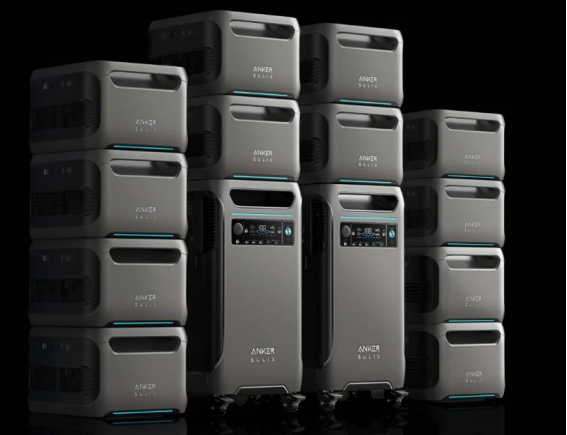
Battery capacity is the primary factor that determines runtime. A system with a small battery may power essential devices for several hours, while a large-capacity system can support a home for days. Expandable solar generator systems with additional battery modules or solar panels offer even greater flexibility as needs change. For example, high-capacity solutions like the Anker SOLIX F3800 can scale from a few kWh to over 20kWh or more with expansion batteries, significantly extending runtime during outages.
Household Energy Consumption Matters Most
How long a solar-powered generator runs depends heavily on what you power. Running only essentials such as lights, Wi-Fi, a refrigerator, and phone chargers uses far less energy than operating HVAC systems, electric ovens, or EV chargers. Reducing load by prioritizing critical circuits can dramatically increase runtime. Smart energy management features make it easier to track and adjust usage in real time.
Solar Recharging Extends Runtime Indefinitely
What sets solar-powered generators apart from traditional generators is their ability to recharge using sunlight. During daylight hours, solar panels replenish the battery, extending runtime beyond what stored energy alone would allow. With sufficient solar input, a generator can effectively run indefinitely for essential loads. Systems that support high solar input can recharge a large portion of their battery in just a few hours under good sunlight conditions, making them ideal for long outages.
Daytime vs. Nighttime Operation
At night or during heavy cloud cover, the generator relies entirely on stored battery power. During the day, solar panels actively recharge the system while appliances run. This daily cycle plays a major role in overall runtime. Homes with good sun exposure and efficient energy use can maintain power much longer than those relying solely on battery storage.
System Output and Efficiency
A generator’s output capacity determines which appliances it can run simultaneously. Higher output systems allow more devices to operate but may drain batteries faster if energy use is not managed. Efficient systems balance output with smart controls, ensuring power is delivered where it’s needed most without unnecessary waste.
Weather and Seasonal Factors
Sunlight availability varies by season and weather conditions. Summer months often provide more solar production, extending runtime, while winter or stormy periods may reduce charging efficiency. Planning extra battery capacity helps offset these variations and ensures consistent backup power year-round.
Conclusion
The runtime of a solar-powered home generator depends on the battery capacity, household energy use, and access to sunlight. While smaller systems may provide hours of backup, larger, expandable solar generators paired with solar panels can power a home for days or even indefinitely for essential loads. With smart energy management and scalable designs like Anker SOLIX solar generators, you gain flexibility, resilience, and peace of mind. When properly sized and used efficiently, a solar-powered home generator offers dependable power for both everyday needs and extended outages.