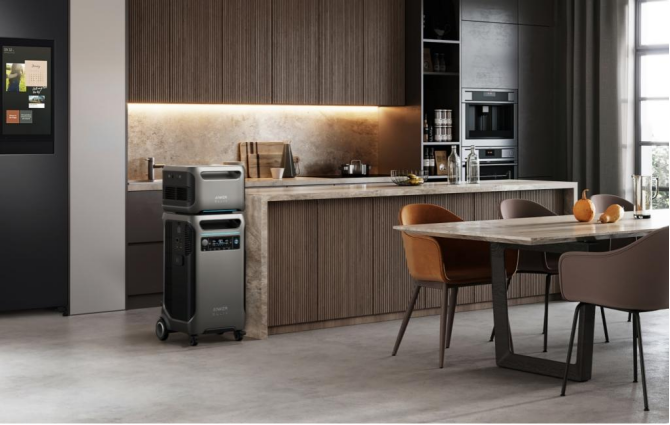
Are Solar-Powered Generators Safe for Indoor Use?
February 11, 2026
Using a solar-powered generator indoors can be a safe and effective solution to keep critical electronics operational during power outages. Solar generators, unlike gas-powered devices, run quietly, with no emissions or combustion, making them excellent for enclosed environments. However, safety is still determined by how you set up, run, and maintain the system. Understanding the safety features, appropriate use scenarios, and potential threats is critical for safe indoor operation. This book describes how solar generators work safely indoors, details critical considerations to take, and offers recommendations for increasing safety and efficiency while utilizing solar electricity in your house.
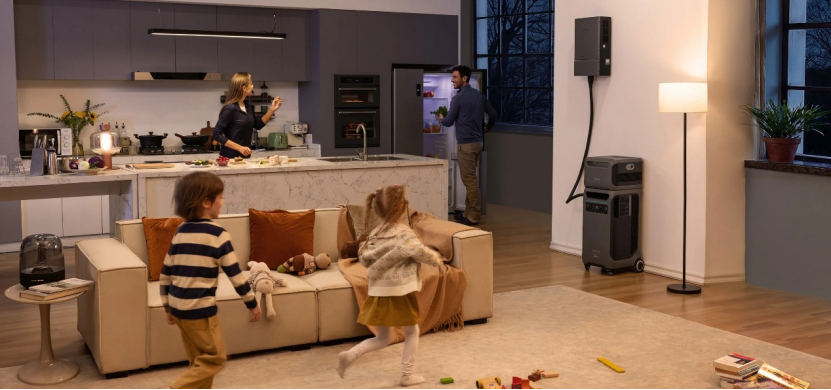
Are Solar Powered Generators Actually Safe to Use Indoors?
No Emissions, No Fumes, and How Solar Generators Differ
In contrast to standard gas or diesel generators, solar powered generators emit no toxic pollutants, carbon monoxide, or fumes. They run on stored battery power; thus, they are perfectly safe for confined interior environments with restricted airflow. Because they do not burn fuel, there is no risk of combustion or noise, making them suitable for usage in living rooms, bedrooms, and workplaces. This clean operation is especially crucial for families with children, pets, or medical issues. The lack of fuel storage and exhaust systems eliminates conventional generator dangers, making solar generators an excellent alternative for interior backup power during blackouts, storms, or emergency home use.
Built-In Safety Systems and Battery Protection Features
Modern solar generators are designed with built-in safety systems to protect both users and connected appliances. Key features often include overload protection, short-circuit prevention, surge suppression, and intelligent temperature regulation. Most high-quality models also use battery management systems (BMS) to ensure safe charging and discharging, preventing overheating or overcharging. Many now rely on lithium iron phosphate (LiFePO₄) batteries, known for their thermal stability, safety, and long lifespan. The Anker SOLIX F3800 Plus, for example, combines these advanced protections with durable EV-grade components to deliver safe, long-lasting performance. With these safety measures in place, solar generators offer a secure and dependable power solution for home backup or off-grid use.
What Safety Risks Should You Still Be Aware of Indoors?
Electrical Load Limits, Overheating, and Ventilation Needs
Even though solar generators produce no emissions, incorrect usage might bring problems. Overloading the system with high-wattage devices that exceed the generator’s output limit might result in overheating or shutdown. Continuous heavy loads in a poorly ventilated space can raise interior temperatures, lowering efficiency and longevity. Avoid positioning the generator against walls or near heat-producing gadgets. While no fuel ventilation is required, simple airflow helps to regulate temperature. Always be aware of your generator’s maximum continuous and surge output and keep within those limitations. Monitoring output and eliminating high-draw products such as space heaters or microwaves ensures safe functioning and reduces stress on the system within.
Fire Safety, Battery Chemistry, and Placement Rules
While solar-powered generators are typically safe, all lithium-based batteries offer a risk if broken, poorly charged, or exposed to high temperatures. To limit the risk of fire, set the generator on a flat, non-flammable surface away from carpets, mattresses, and drapes. Keep it out of direct sunlight and heat vents. Choose versions using LiFePO₄ batteries, which are more stable and less prone to thermal runaway than regular lithium-ion batteries. Do not make any DIY modifications or connect illegal battery extensions. Avoid operating or charging in moist environments, such as toilets. Following these placement and battery safety guidelines helps to avoid overheating, fire dangers, and inadvertent abuse inside.
Cables, Power Strips, and Safe Device Connections
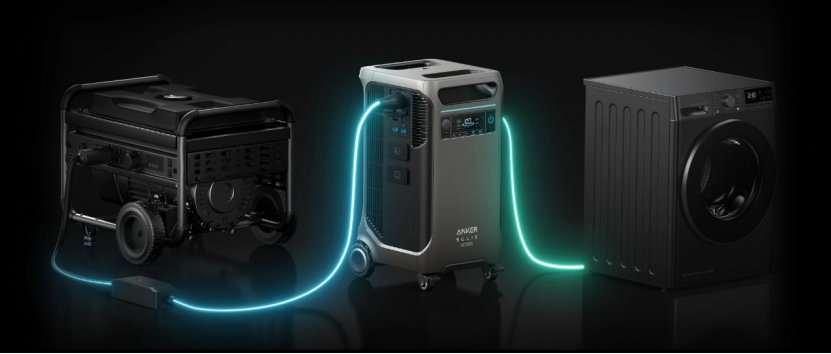
Messy wires and overloaded power strips are regular interior risks when utilizing a generator. Use heavy-duty extension cables designed for indoor usage, and avoid putting several high-wattage gadgets into the same outlet. Do not daisy-chain power strips, since this might lead to overheating and a fire danger. Ensure all plugs are secure, cables are intact, and untangled. Keep cables away from pathways to prevent accidents and falls. If your solar generator has various ports (such as AC, DC, and USB), select the most efficient one for each device. Smart cable management and safe connection habits go a long way toward ensuring a secure interior environment.
How Do You Use a Solar Generator Safely Inside Your Home?
Managing Power Use During Outages and Emergencies
During an outage, prioritize vital loads such as phones, medical devices, lighting, and communication tools. Avoid plugging in all gadgets at once, especially power-hungry appliances. Rotate usage as needed—run your fridge for a few hours before switching to fans or lamps. Monitor the battery level on a regular basis and avoid draining it to 0% unless the manufacturer allows extensive discharges. Some solar generators have mobile applications or displays that indicate input, output, and runtime estimations; utilize them to prepare properly. If sunshine is available, begin charging as soon as feasible. Efficient utilization during an emergency keeps critical systems operational and prepares you for a protracted indoor outage.
Charging, Storage, and Long-Term Indoor Safety Tips
When not in use, store your solar generator indoors in a cool, dry spot. Avoid regions with dampness, excessive heat, or cold conditions, since these can reduce battery performance. If the unit will be stored for an extended period of time, it should be recharged every 3-6 months. Never leave it entirely exhausted. When charging inside, only use the manufacturer’s recommended AC converter and avoid connecting to loose or broken outlets. Periodically remove dust from vents. Keep all youngsters and pets away from the generator and its cables. For long-term safety, examine the batteries and wires on a regular basis for wear or bulging. Proper charging and maintenance methods prolong battery life and ensure indoor preparedness year-round.
Conclusion
A solar powered generator is one of the safest options for indoor backup power. It emits no pollutants, runs silently, and includes built-in safety measures like surge protection and battery management systems. Nonetheless, users should grasp power limits, manage loads sensibly, and adhere to fundamental indoor safety measures for cables, positioning, and charging. When properly installed and managed, a solar generator provides a clean, efficient, and safe power supply for emergencies, distant operations, or daily needs. Whether during a blackout or off-grid life, these devices provide consistent energy indoors without the risks associated with gas or combustion-powered alternatives.